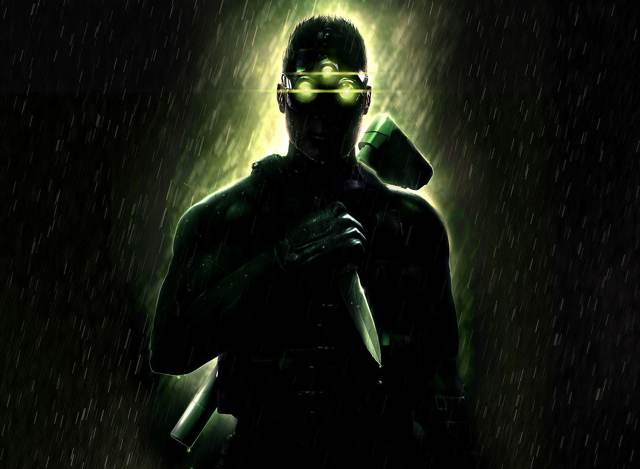
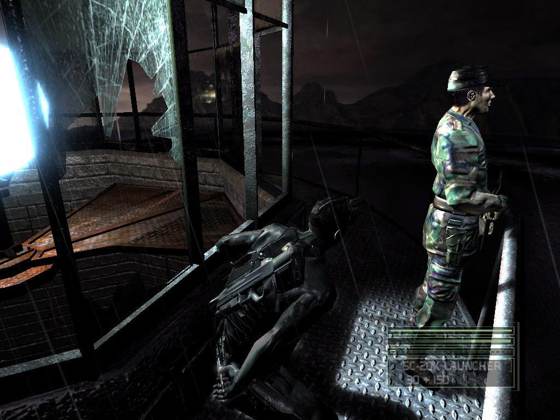
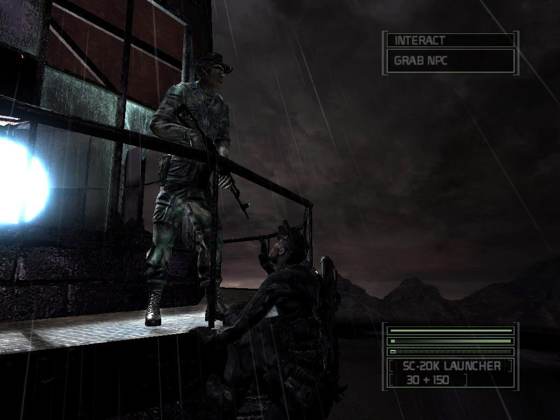
Sam Fisher's quietest toolkit is Tom Clancy's Splinter Cell Chaos Theory, the third Splinter Cell and the 2005 entry many players treat as the peak of the early stealth games. Ubisoft let him jam lights, whistle guards apart, and read a co-op partner's position on the cube build.
The handheld release is a different top-down game, so the cube campaign is the one with the third-person shadows and the interrogation grabs. Banks, lighthouses, and a cargo ship each ask for a different route through the dark.
Chaos Theory is where the series' early rules feel most complete: a knife, a pistol, and a choice to leave everyone asleep. The top-down handheld story should not be confused with Fisher's cube missions.